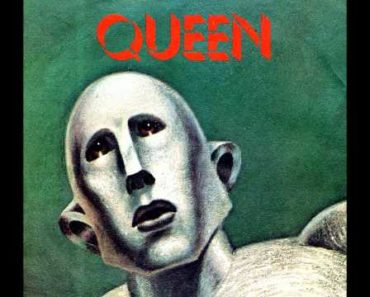
This is Freddie Mercury’s isolated vocal on Queen’s “Play the Game”, the opening track of The Game (1980). Without the band, you can hear how Mercury moves from a gentle, almost whispered opening to full-voiced, multi-tracked choruses in under four minutes.
VOCAL only (Freddie Mercury):
Isolated vocals (Rock Band Stems)
What to listen for
- A soft opening. Mercury starts the song tenderly, close to the microphone, before the band crashes in. On its own you can hear how much control he has at low volume.
- Stacked Queen harmonies. The choruses use the band’s trademark layered backing vocals. On the vocal stem you can pick out the different parts that make up the “choir”.
- Phrasing like a pianist. Mercury wrote the song at the piano, and his vocal phrases follow the piano’s rises and falls closely.
- Range. The isolated vocal shows how often he jumps up into his higher register for emphasis, which is the hard part if you’re singing along.
About the song
“Play the Game” was written by Freddie Mercury and opens Queen’s eighth studio album, The Game (1980), co-produced by Queen and Reinhold Mack. It was one of the first Queen songs to feature a synthesizer, after years of album sleeves noting that no synths had been used. Mercury sings lead and plays piano, with Brian May on guitar, John Deacon on bass and Roger Taylor on drums. The song was released as a single in 1980, and its video is remembered as one of the first in which Mercury appeared with his famous moustache.
More Queen: the Queen isolated tracks page, the Freddie Mercury page, Another One Bites the Dust (multitrack), also from The Game, Save Me, from the same album, and Radio Ga Ga (vocal only). New to stems? Read our guide to isolated tracks.
FAQ
What album is Play the Game on?
“Play the Game” is the opening track of Queen’s 1980 album The Game.
Who wrote Play the Game?
Freddie Mercury wrote the song, sings lead and plays piano on the recording.
Does Play the Game use a synthesizer?
Yes. It was one of the first Queen songs to use a synthesizer, a big change for a band whose earlier albums noted that no synths were used.